15 Expert Decluttering Tips for Organizing Your Home
This site contains affiliate links to products. We may receive commission for purchases made through these links. Price at time of publish date may change.
Maintaining an organized home might seem easier said than done, especially if it’s been a while since you’ve decluttered. After all, it takes time, effort, and patience to get it all done—and right when you seem to have it all in place, it’s like you’re right back where you started. We get it! Between busy households, conflicting schedules, mountains of paperwork that never seem to end, and all of life’s knick-knacks in between, the idea of decluttering can be overwhelming. But while we can’t always stop the clutter, we can try to keep up with an organized home to control the chaos and make our homes a little better each day. Sometimes all you need is a fresh start, and we’ve got the best decluttering tips to help get you there.
Whether you’re trying to tackle your closet, finally get the laundry room organized, or just want to start fresh, we’re here to help you de-stress and contain the mess. We reached out to experts Lisa Jacobs (Imagine it Done), Kate Pawlowski (Done & Done Home), and Mindy Godding (Abundance Organizing); researched through forums where real-life decluttering experts spilled their secrets; explored sites for the best organization tips from real pros, and put it all into one simple guide to help you achieve your most organized home.
1. Assign Zones
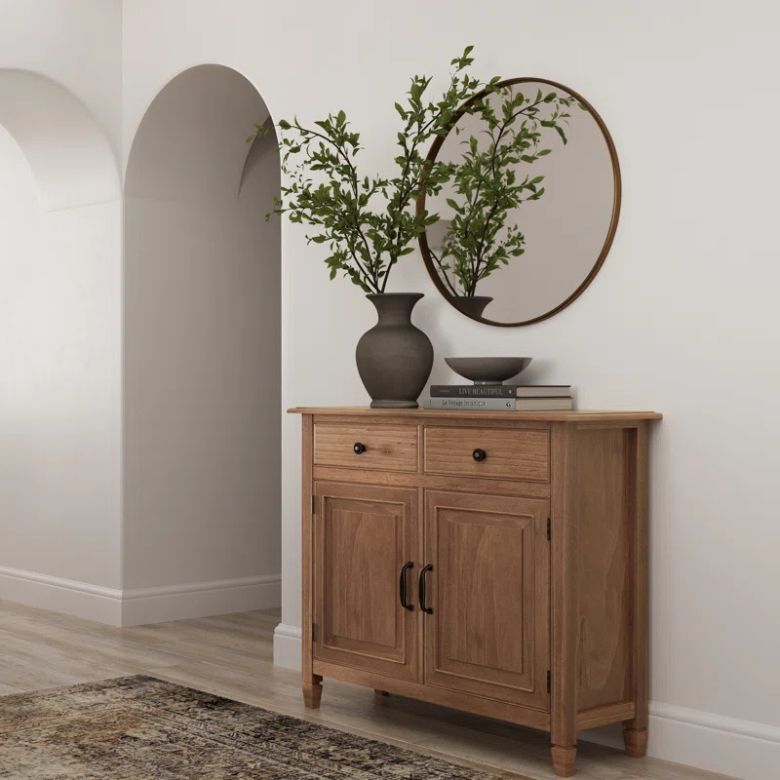
Godding says that, “the key to organizing isn’t always to change habits—in fact, it’s much easier to work with them.” For example, some clutter, you can’t get rid of—so it’s best to control it. She suggests creating containment zones for certain items to live: “functional” hotspots and “random” hotspots.
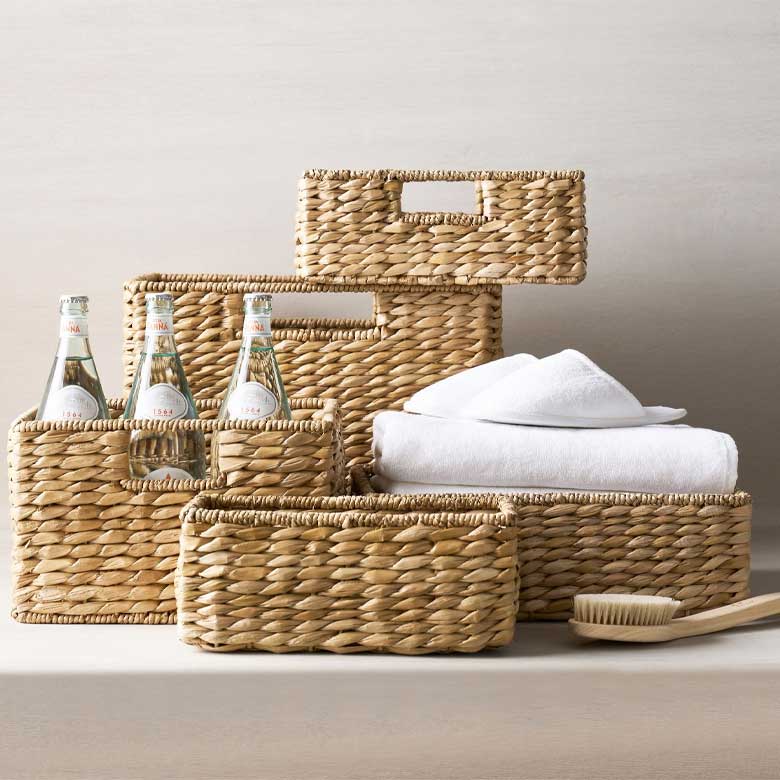
- Functional hotspots are for things like paper and mail, sports equipment, and shoes. Use solutions like trays, storage baskets, or cubbies to organize.
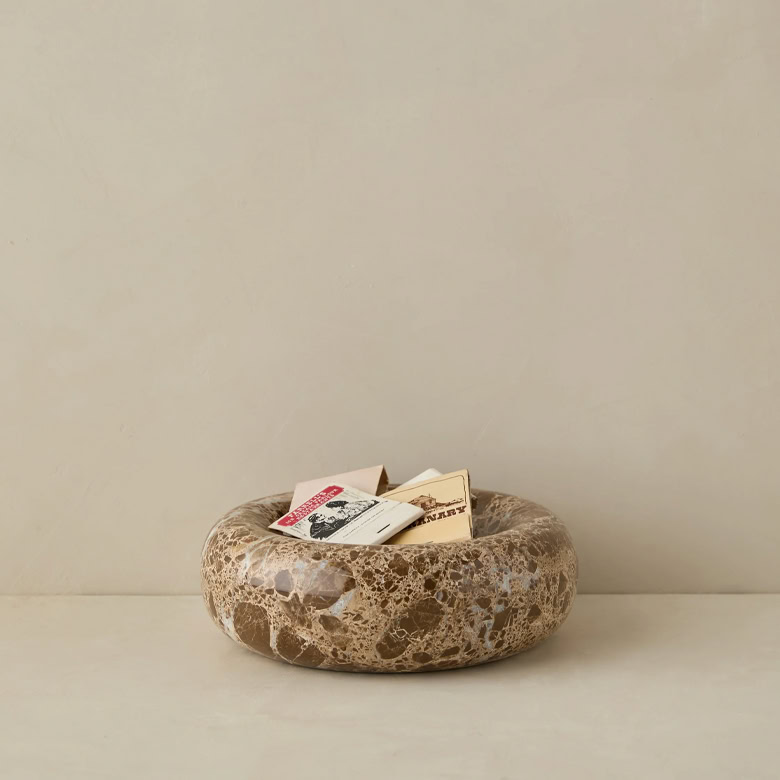
- Random hotspots are for those pesky areas where clutter seems to accumulate. “Does a particular countertop turn into a mess every day? Add a cute bowl or basket to the spot to hold clutter as it gathers. Do books or craft supplies always pile up on coffee tables in your lounge areas? Give them a home that is nearby and easy to access,” Godding says on her site.


2. Drop Off Donations Regularly
Sometimes, doing one small thing often enough can have a big impact! Consider keeping a box in the closet to throw in clothes, accessories, and shoes that you feel it might be time to get rid of. When it’s filled, put it in the car and take it to your local donation center. Encourage the kids to do the same, and pretty soon, decluttering and donating your old items will become a habit that’s easy to achieve. And if you’re getting a new piece of furniture, like a couch, you can donate that, too.
3. Adopt the “One In, One Out” Method
Complementary to dropping off donations, you can also adopt the “one in, one out” rule. It’s simple: For every new item or product you bring into your house, you donate or toss another.
You can use this method for things like home decor—old throw pillows and blankets, plates or dinnerware—but you could also implement it for clothing, shoes, furniture, books, magazines, and more.
4. Utilize Home Organizers
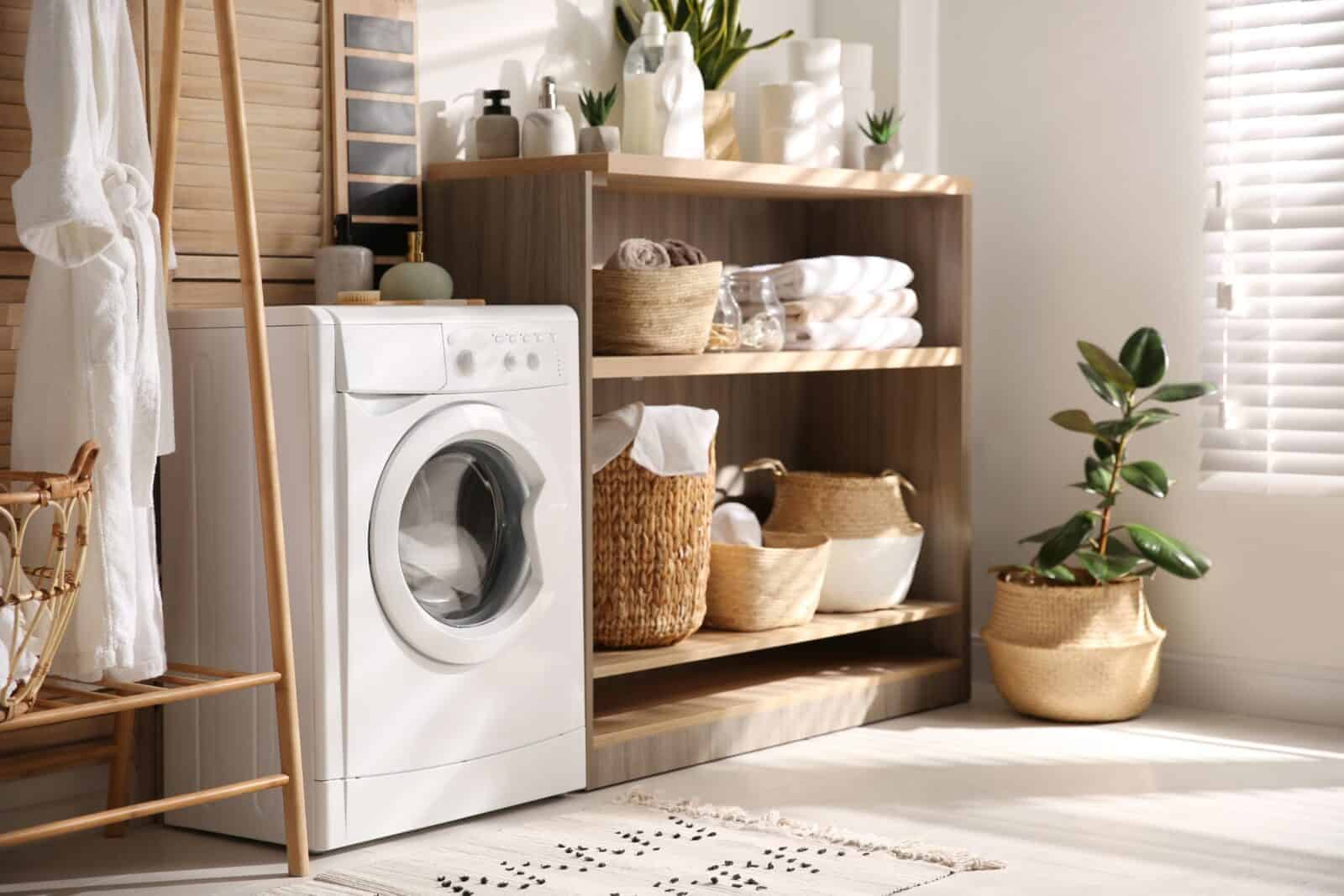
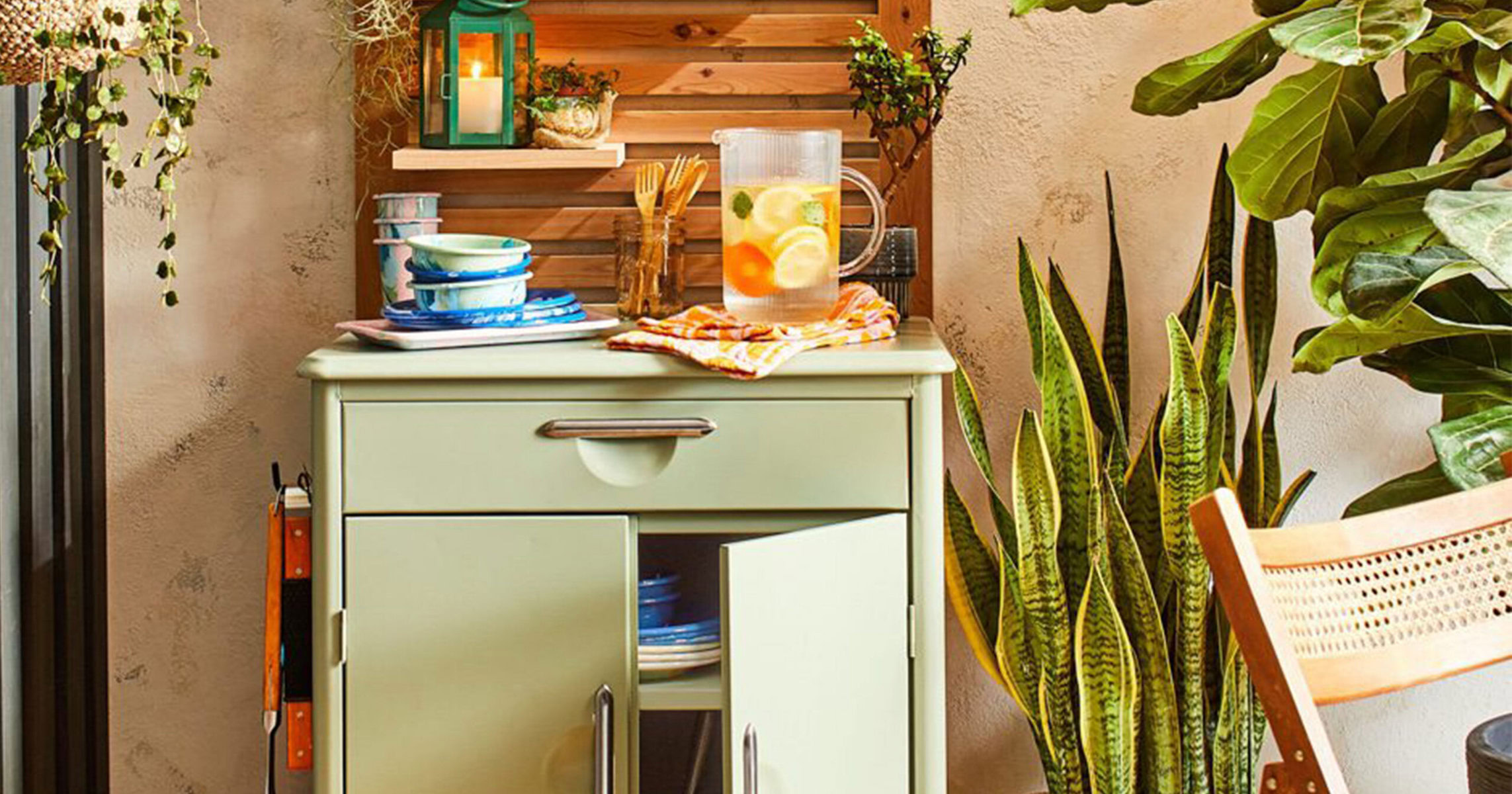
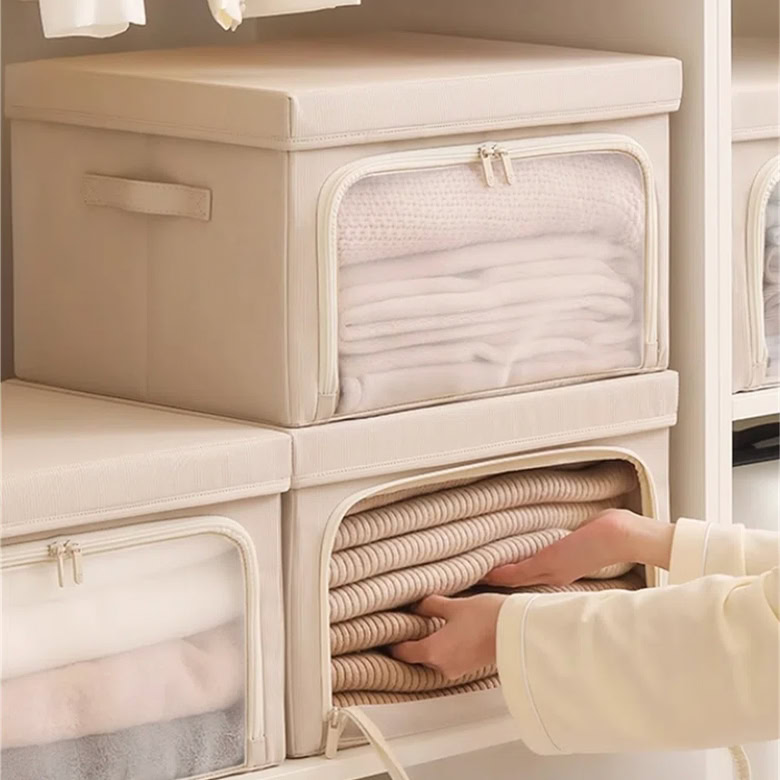
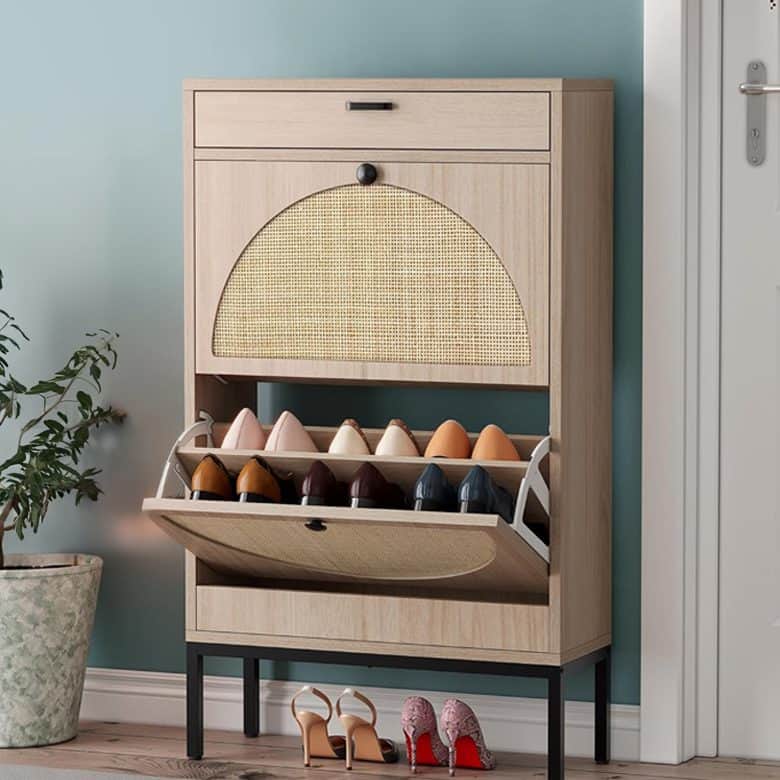
Honestly, they’re there for a reason! Home organizers, closet organization systems, drawer organizers—they can become your new best friend if you’re looking to seriously tidy up your space. There are storage warriors here that will take your organization game to the next level.
And nowadays, there are so many options that look as beautiful as they function, too, like some of our favorites below.


5. Stay on Top of a Schedule
The one thing above all else that will help your home stay clutter-free? Making regular organizing and cleaning a priority. Create a schedule that’s doable for your lifestyle—whether that’s once a week, once a month, or once a season—and take an afternoon to go through your things to purge what you no longer need. This will keep you honest and make organizing less of a stressor.
We even created a starter pack of cleaning schedules to help you get in that mindset!
6. Plan Ahead
We’ve all had that moment where we’ve spontaneously decided this will be the day to clean the house from top to bottom. But Jacobs insists that it’s important to be realistic and set goals you know you can accomplish vs. diving right in haphazardly.
Going in with a plan means you’re more likely to get everything done and establish new habits you can use over and over again, instead of a one-time hack that’ll fizzle out next time you need to organize your kitchen.
Sign Up for Our 7-Day Spring Cleaning Challenge
Our Spring Cleaning Challenge is back — and all new! Get exclusive access as we tackle a different stubborn space or household headache each day.
7. Ease Into the Entryway
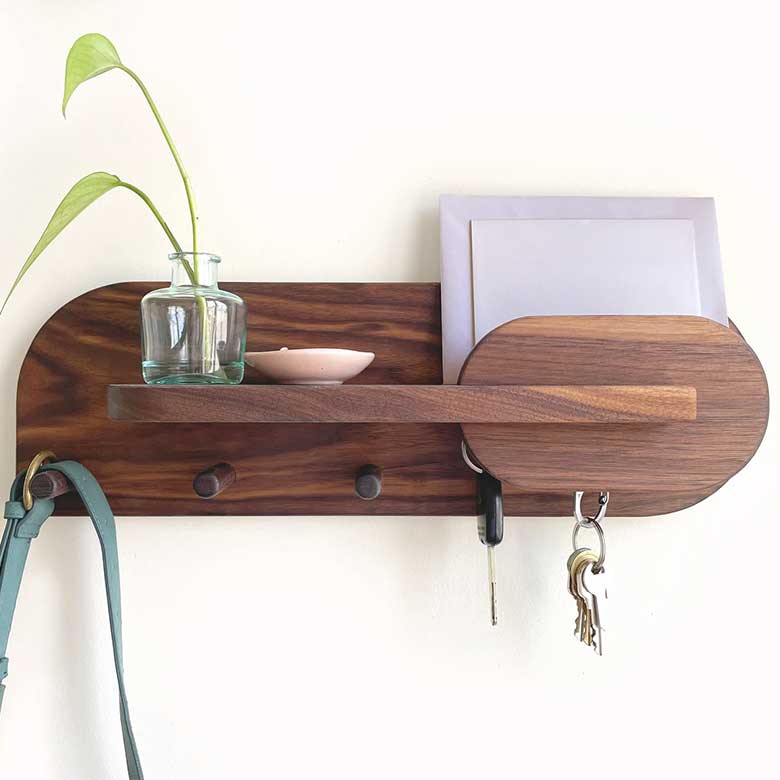
If you’re not sure where to start, your entryway is a good place to consider. “Containment is key in this space because piles of shoes, backpacks, and outerwear all give off a disorganized vibe,” Pawlowski explains.
She suggests adding a few coat hooks or bins so you have plenty of easily accessible spots to store your stuff. (And less room to make excuses for not putting things away.)



8. Avoid Distractions
The thing about tackling chores is that it’s easy to discover another you’ve totally forgotten about mid-sweep. But even if you think you’re being productive by starting another project, that kind of distraction can be troublesome when decluttering.
“You do not want to press pause and promise you will get back to it at another time,” Jacobs says. “Keep the pace” and you’ll get more done, more effectively.
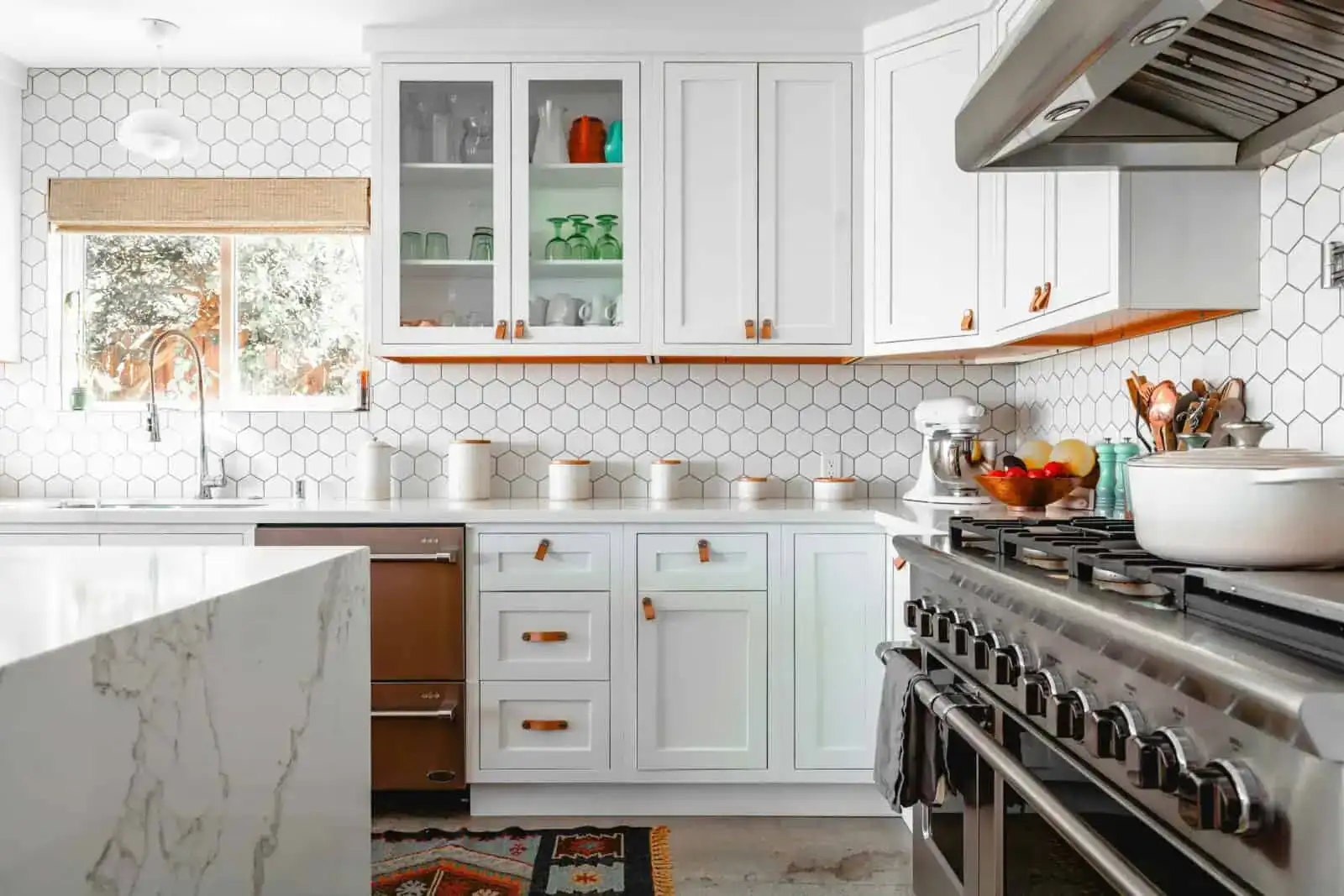
9. Make Cleaning the Kitchen a Habit
“Maintenance is key in the kitchen, and consistent daily habits will go a long way to keeping things functional,” Pawlowski says.
Before heading to bed, consider wiping down the counters and starting the dishwasher. That way, you can wake up to a fresh start (literally) and you won’t have chores hanging over your head and disrupting your peaceful morning as soon as you wake up.


10. Enlist the Help of a Friend
Many hands make light work, and the opinions that come with those hands can be helpful if you’re prone to indecision. “Work with someone who is either professional or authoritative to assist in making quick decisions,” Jacobs says.
Having another person to hold you accountable to stay on-task and not get distracted is another bonus. With that person nearby, you’re less likely to get hung up on the small things and instead finish the work you’ve started.
11. Keep Baskets Handy
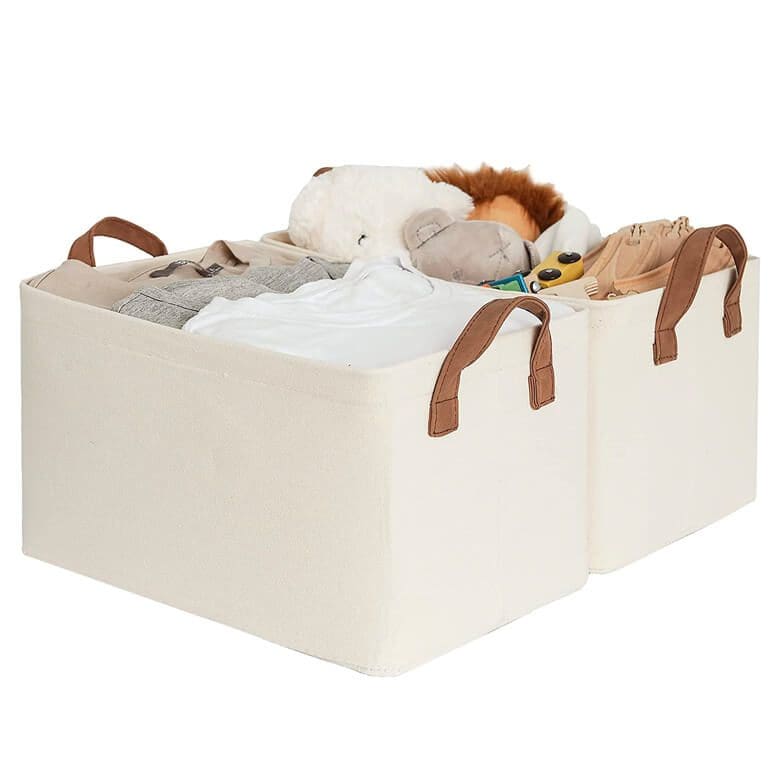
If you have children, then you’re probably used to toys and crafts taking over the entire house. To try and hold back the tide, “I recommend fabric bins that blend into your decor and shelves like the Ikea Kallax shelving unit to hold them if space allows,” Pawlowski says.
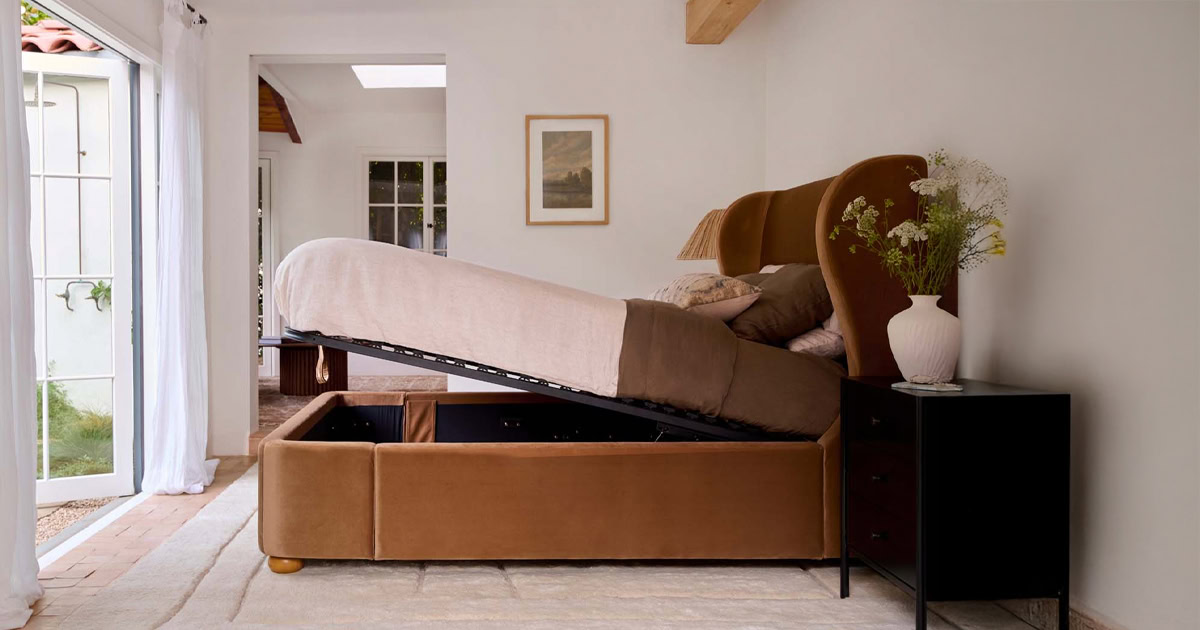
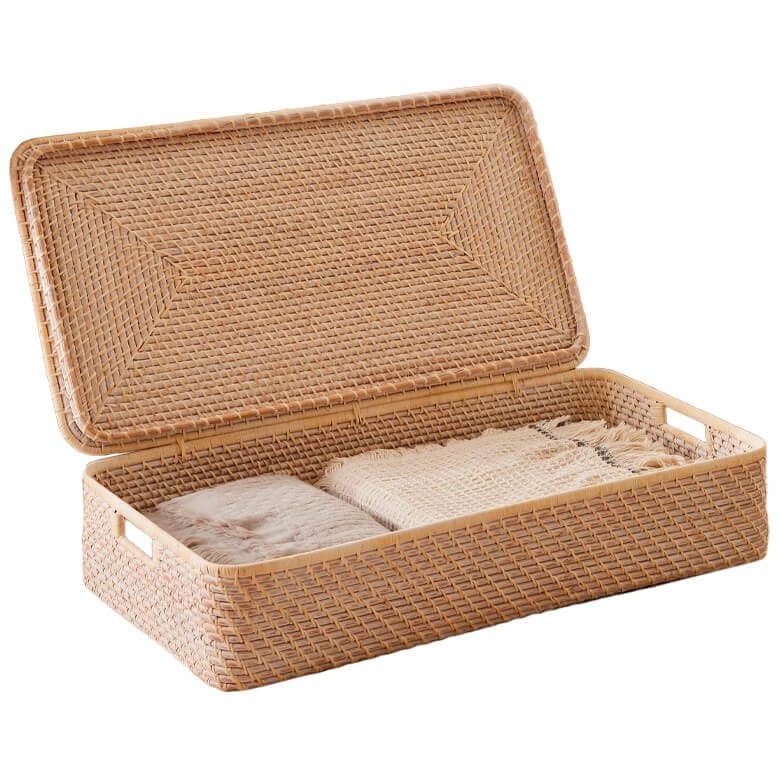
Make use of underbed storage bins as well, where you can store items easily out of sight.

12. Hold Off on Color-Coding Your Closet
As tempting as it can be to make your closets look nice and uniform in a photo, Jacobs explains that it’s best to “sort clothing by season first, then category, then color.”
Function is more important than beauty here, and this method still allows your space to look neat while keeping items easy to locate. Overall, it’s about what makes it easy for you to find that shirt or pair of pants you’re searching for, not what looks most satisfying aesthetically.
13. Take Advantage of Every Bathroom Inch
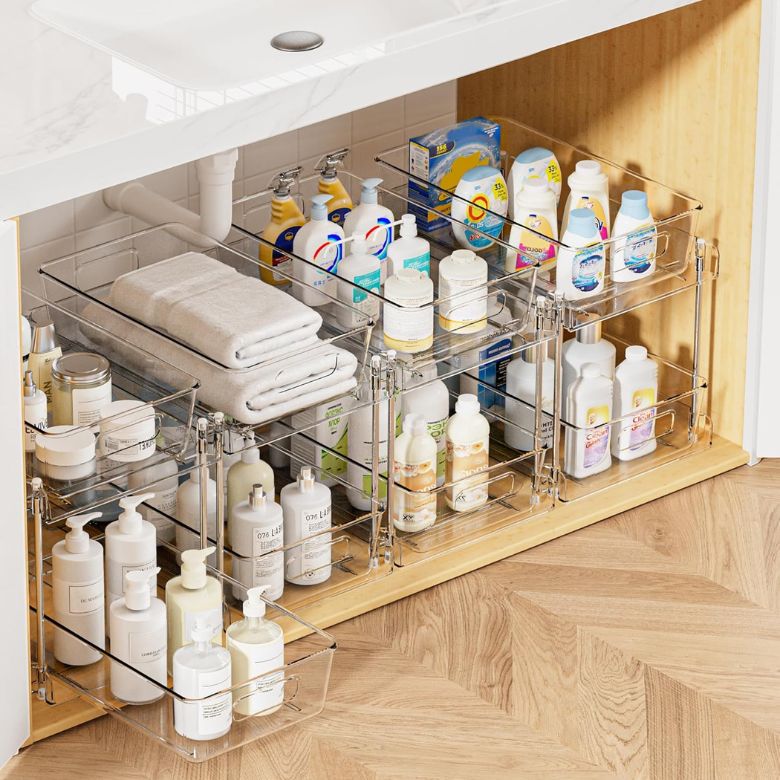
Bathrooms have a lot to hold, even while being one of the smaller rooms in a house. The solution Pawlowski has to offer is to “make sure that your under-sink storage is functional and that you’re taking advantage of all the vertical space available.”
This could even mean taking advantage of unlikely spaces, like with over-the-door organizers.


14. Weigh All Your Options
Taking a trash bag to your closet is a great way to clear out the clutter. But as you go, start incorporating these thoughts into your process: “It’s important to find a reason why and a reason why not to throw out any item,” Jacobs says.
By looking at all sides of the problem as you go, you’re more likely to understand what it is you truly value and are less likely to let impulsive purchases sway you into overfilling your closet again. It’s not just about what brings you joy, but also about what makes sense practically.
15. Don’t Let Flat Surfaces Become Dumping Grounds
Dining tables, entryway tables, and coffee tables have a tendency to accumulate all the spare junk you figured you’d have time to clean up later. But if you “take a few minutes every day to put things away in their proper place,” Pawlowski says, you’ll consistently keep your surfaces tidy.
That way, when guests come over, you’re not scrambling to figure out where you can hide keys or unread mail.
Frequently Asked Questions
How do I start decluttering when I feel overwhelmed?
According to the team over at The Organizing Professionals in Philadelphia, Pennsylvania, it helps to start small: “Let’s be real: no one wants to start with a big, daunting project like sorting through years of paperwork. Start with something small and easy. How about that drawer you always shove random things into? Or that bathroom cabinet that’s overflowing with half-empty shampoo bottles? When you knock out a small task, you’ll feel accomplished—and that motivation will keep you going!” And remember to take it one step at a time. Not everything has to get done in a day, or even a week! This is a lifestyle shift, so it’s okay to ease into it.
What’s the number one tip professionals have for decluttering?
How can you keep up with an organized home?
How often should I declutter each room?
3 Expert Cleaners Share Their Genius Tips on How to Maintain a Clean House
Tips, tricks, and hacks to *actually* keep your house clean.
Read More

Mandy Schremmer

Bree Pulver O'Hagan
Bree is the Senior Digital Editor at DrewandJonathan.com. In the past, she’s worked for publications focused on home improvement and sustainable living. Bree’s Pinterest board is filled with cozy textures; vintage patterns; sculptural furniture; and moody, warm-toned colors. She has a degree concentrated in the intersection of writing and architecture, which influences her passion for exploring creative solutions to unusual home layouts and stylish renter-friendly decor. She’s a self-proclaimed pro at finding the best antique furniture in the most unlikely of places (but her cat Blue can certainly back these claims).
⚖️ How We Choose What to Recommend